>>> BlackFriday Heart Rate Training
Walk into any running store lately and you see as many "gadgets" as shoes and apparel: global positioning watches music-players heart rate monitors many features sometimes combined in a single device. We runners love our toys. If I had to pick the one device that I consider most useful for training it would be that last one the heart rate monitor.
Recently I did a survey among runners visiting my bulletin boards asking: "Why use a heart monitor?" Most popular (checked by 32% of respondents) was: "It helps me analyze my training." But the one I liked the most was because heart monitors are "fun." While researching the first edition of my best-selling Marathon: The Ultimate Training Guide I used a monitor to do what coaches often recommend "Listen to your body." I watched the numbers both during workouts and analyzed body responses afterwards.
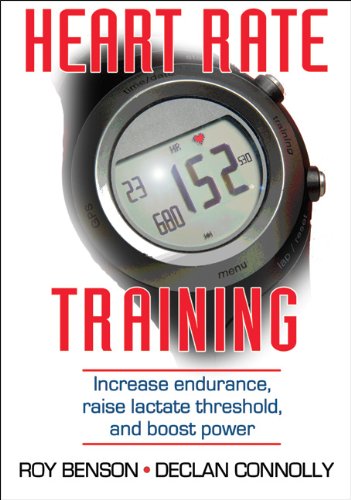
But I was flying somewhat blind and now runners have a resource to teach them all they need to know about monitors a slender book logically titled Heart Monitor Training co-authored by Roy Benson and Declan Connolly: They write: "The beauty of heart rate training is that it relies on a system (your cardiovascular system) that reflects your overall state of stress 24 hours a day 365 days a year. It reflects when you're tired overtrained sick cold or hot and therefore can guide you in making changes to your plan. More important from an exercise point of view it provides immediate and consistent feedback about your stress level."
Before you proceed to your running store to purchase your new gadget a couple of caveats: The data you receive from any monitor is only as good as your ability to interpret that data. In using a heart monitor during marathons I discovered the numbers made sense only until the point I hit the wall. My heart was ticking along but not the rest of my body. As I slowed my heart rate slowed to well below goal rate--except I was powerless to do anything about it.
Most important as Benson and Connolly clearly state the formulas experts often offer for predicting your maximum heart rate do not work for everybody. "It's okay to start with a formula" says Benson "but common sense should immediately overrule numbers that cause you to run too slow or too fast compared to effort level." The best way to determine maximum heart rate is a stress test under the supervision of a knowledgeable cardiologist or exercise scientist.
Having said all that Heart Rate Training certainly will help make you a better runner.
--Hal Higdon Contributing Editor Runner's World


No comments:
Post a Comment